Table of Contents
ToggleIntroduction: Credit Cards and the Modern Consumer
In today’s increasingly cashless society, credit cards have become more than just a convenient payment method—they’re a key tool for building credit, earning rewards, and managing personal finances. But with hundreds of card options and fine-print terms, understanding how credit cards work is crucial for using them wisely.
This guide explains what a credit card is, how it functions, the different types available, and how to get started—even if you have no credit history.
What Is a Credit Card?
A credit card is a financial instrument issued by banks or credit unions that allows consumers to borrow money to make purchases, pay bills, or obtain cash advances. Unlike debit cards, which pull funds directly from your checking account, credit cards extend a line of credit that you must repay—typically on a monthly billing cycle.
Every credit card comes with:
A credit limit (the maximum you can borrow),
An APR (annual percentage rate) for purchases, balance transfers, or cash advances,
And potentially fees like annual, late payment, or foreign transaction charges.
Used responsibly, credit cards can help you build credit history, protect your purchases, and unlock perks like travel rewards or cashback.
How Credit Cards Work
Understanding how credit cards work is essential for using them wisely and avoiding costly mistakes. At their core, credit cards allow you to borrow money from a bank or financial institution to make purchases, pay bills, or access funds through a cash advance. When you use a credit card, you’re not spending your own money like you would with a debit card—instead, you’re accessing a line of credit that you must pay back later. This borrowed amount becomes part of your billing cycle, which typically lasts around 30 days. After the cycle ends, you’ll receive a statement showing all your charges, the total amount owed, your minimum payment due, and your payment due date.
If you pay off your balance in full by the due date, you won’t be charged interest on your purchases thanks to what’s known as the grace period. According to U.S. federal law, most credit cards must offer a grace period of at least 21 days from the end of a billing cycle before interest can begin to accrue on new purchases. However, this grace period only applies if you had no previous balance carried over. If you already have unpaid balances from previous months, interest on new charges may begin accruing immediately.
Interest on credit cards is typically expressed as an APR, and it’s usually higher than other types of loans like auto or personal loans. The way your interest is calculated—whether it compounds daily or monthly—also affects how much you end up owing if you carry a balance. Daily compounding can lead to more interest charges over time, making it important to read your card’s terms closely. In fact, many cards now feature variable APRs, which means your rate can change based on market conditions and the Federal Reserve’s prime rate.
Another aspect to be aware of is the minimum payment requirement. While paying the minimum might help you avoid late fees, it also extends your debt and racks up interest. Making only the minimum payment can lead to a long repayment timeline and a much higher total repayment cost. For example, if you carry a $1,000 balance on a credit card with an 18% APR and only pay the minimum of $25 each month, it could take you more than five years to pay it off—and you’ll pay hundreds in interest alone.
Credit cards also allow you to access cash advances, but these should be used sparingly. Unlike regular purchases, cash advances often come with no grace period, higher interest rates, and steep fees (typically 3% to 5% of the withdrawn amount). They’re convenient in emergencies but are considered one of the most expensive ways to borrow money.
It’s also important to monitor your credit utilization ratio, which is the percentage of your credit limit you’re using. For example, if your limit is $5,000 and your current balance is $2,000, your utilization is 40%. Experts recommend keeping this below 30% to maintain a strong credit score. High utilization, even if you’re making payments on time, can negatively impact your credit.
In 2025, more credit card issuers are integrating mobile tools and real-time alerts to help consumers manage their spending, set budgets, and track payments more effectively. Tools like autopay, transaction notifications, and virtual card numbers for online security are now standard features across many U.S. credit cards.
In summary, credit cards function as short-term loans with the flexibility to pay in full each month or spread payments over time with interest. Understanding how your billing cycle, interest rates, minimum payments, and grace periods work can empower you to use your card strategically—building credit, earning rewards, and avoiding debt traps in the process.
Key Types of Credit Cards
Credit cards aren’t one-size-fits-all. In fact, there are several distinct types designed for different financial goals, lifestyles, and credit profiles. Whether you’re a frequent traveler, a cashback enthusiast, or someone working to rebuild credit, understanding the various credit card options available in 2025 will help you choose the best one for your needs. Below are the seven most common and relevant types of credit cards in the U.S. market today.
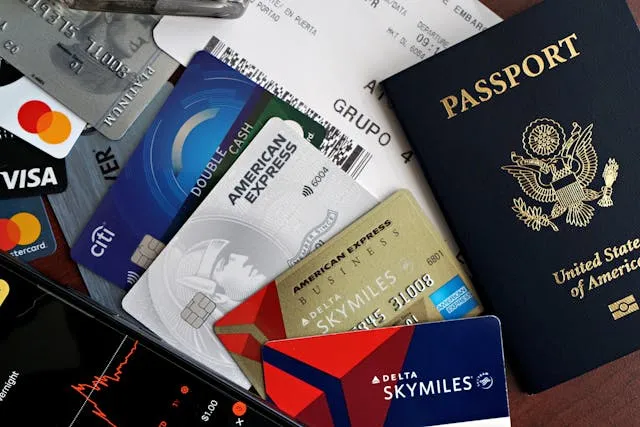
Image credit: Dave Garcia (Pexels)
1. Rewards Credit Cards
Rewards credit cards are among the most popular options for consumers who pay their balances in full each month and want to earn something back on their everyday spending. These cards offer points, miles, or cashback for eligible purchases. In 2025, many rewards cards have become increasingly competitive, offering rotating bonus categories, elevated earnings on groceries, dining, or travel, and even lifestyle perks such as subscriptions or rideshare credits.
Some rewards cards are general-purpose, while others are tied to specific brands or spending categories. For example, a card may give you 3% cash back at supermarkets, 2% at gas stations, and 1% on everything else. Most of these cards work best for people with good to excellent credit (typically a FICO score of 670+), and they often come with higher credit limits and access to premium customer support. It’s important to evaluate your spending habits to choose the right rewards structure—otherwise, you might leave valuable benefits on the table.
2. Cashback Credit Cards
Cashback credit cards offer simple, straightforward value by returning a percentage of your purchases in the form of cash rewards. Unlike points or miles, cashback can usually be redeemed as a statement credit, direct deposit, or check—making it a flexible option for budget-conscious users. There are two main types of cashback cards: flat-rate and category-based. Flat-rate cards give you the same percentage (e.g., 1.5% or 2%) on all purchases, while category-based cards offer higher percentages in rotating or fixed categories like groceries, gas, or online shopping.
Some issuers now offer dynamic categories that adapt to your spending habits in real time. Many of these cards come with no annual fee and offer promotional 0% APR periods on purchases or balance transfers. Cashback cards are an ideal choice for everyday consumers who want tangible value without the complexity of tracking travel programs or loyalty schemes.
3. Travel Rewards Cards
Travel rewards credit cards are designed for those who travel frequently and want to earn free flights, hotel stays, or other travel perks. These cards typically let you accumulate airline miles or hotel points for every dollar spent, often with elevated earnings on travel-related purchases such as airfare, lodging, rental cars, and dining.
In 2025, travel cards are more generous than ever, offering sign-up bonuses worth hundreds of dollars, airport lounge access, trip cancellation insurance, and even no foreign transaction fees. Some cards partner directly with airlines or hotel chains (e.g., Delta SkyMiles® or Marriott Bonvoy™), while others use flexible points programs like Chase Ultimate Rewards® or American Express Membership Rewards®, which can be transferred to multiple partners.
Most travel rewards cards do charge annual fees—ranging from $95 to $695—but the perks often outweigh the cost for frequent travelers. If you travel internationally, choose a card with chip-and-PIN technology and wide global acceptance to avoid payment issues abroad.
4. Retail and Store Credit Cards
Retail credit cards are offered by major retailers and are usually co-branded with major networks like Visa, Mastercard, or American Express. These cards are tailored for loyal shoppers and can only be used at the specific store or affiliated brands in some cases. In return, cardholders often receive exclusive benefits such as discounts, early access to sales, or promotional financing options like interest-free periods.
Store-branded credit cards are generally easier to qualify for, making them appealing to people with limited credit history or scores in the fair range (580–669). However, they often come with higher interest rates and lower credit limits. Co-branded versions of these cards offer greater flexibility since they can be used anywhere the card network is accepted, while still earning store-specific rewards. If you’re a regular shopper at stores like Target, Amazon, or Best Buy, a retail card may enhance your savings—just be sure to avoid carrying a balance to minimize interest costs.
5. Secured Credit Cards
Secured credit cards are specifically designed for individuals who are new to credit or have poor credit histories. These cards require a refundable cash deposit—typically between $200 and $1,000—which acts as collateral and also determines your credit limit. Although secured cards may seem restrictive at first, they are one of the most effective tools for rebuilding credit or establishing a credit profile from scratch. Issuers report your payment activity to all three major credit bureaus (Experian, TransUnion, and Equifax), allowing you to build a positive credit history with responsible use. Many secured cards now offer the chance to upgrade to an unsecured card after six to twelve months of consistent on-time payments.
In 2025, some fintech companies have also introduced hybrid secured cards with no hard credit check and no fees—ideal for Gen Z users and credit novices. While these cards generally don’t offer rewards, the long-term benefit of improving your creditworthiness far outweighs the short-term limitations.
6. No Annual Fee Credit Cards
No annual fee credit cards are a practical choice for consumers who want access to credit without paying extra just to keep the account open. These cards are widely available across different issuers and may come in both rewards and non-rewards versions. They’re especially attractive to beginners, occasional users, or those looking to build or maintain credit without added costs. While these cards might not offer the premium benefits associated with high-fee cards—like travel insurance or concierge services—many still include essential features such as fraud protection, virtual card numbers for secure online shopping, and even promotional 0% APR offers.
Some no annual fee cards offer cashback, rewards points, or access to credit score tracking tools. Keeping a no-fee card open long-term can also help improve your credit utilization ratio and the average age of your accounts—both of which positively impact your credit score.
7. Balance Transfer Credit Cards
Balance transfer credit cards are a strategic financial tool for paying off high-interest credit card debt. These cards allow you to transfer an existing balance from one or more credit cards to a new card with a lower or 0% introductory APR for a set period—often 12 to 21 months. This interest-free window can help you make substantial progress toward becoming debt-free without interest piling up. However, most balance transfer cards charge a fee (typically 3% to 5%) on the transferred amount.
In 2025, many top balance transfer cards come with online calculators and repayment planners to help you budget more effectively. These cards are best suited for consumers with good credit (usually 670 or higher), since approval odds are tied to creditworthiness. If used correctly, a balance transfer card can save you hundreds or even thousands of dollars in interest, especially if you commit to paying down the full balance before the promotional period ends.
Building Credit with a Credit Card
One of the most powerful advantages of having a credit card is its ability to help you build or improve your credit score. Whether you’re just starting your financial journey or trying to recover from past credit mistakes, using a credit card responsibly is one of the fastest and most reliable ways to establish a solid credit history in the U.S. The three major credit bureaus—Equifax, Experian, and TransUnion—collect data on how you use credit, and credit card activity is a major contributor to your FICO score, which lenders use to evaluate your creditworthiness.
To build credit effectively, it’s crucial to understand the key behaviors that impact your score. First and foremost is your payment history, which accounts for approximately 35% of your FICO score. Making on-time payments every month is the single most important factor in building good credit. Even one missed payment can lower your score significantly and stay on your report for up to seven years. Setting up automatic payments or calendar reminders can help ensure you never miss a due date.
Next is your credit utilization ratio, which measures how much of your available credit you’re using. For example, if your card has a $2,000 limit and your current balance is $500, your utilization rate is 25%. Experts generally recommend keeping your utilization below 30%, and ideally under 10% for optimal scoring impact. High balances—even if paid in full—can temporarily drag down your score if they’re reported before your payment is made. Paying early or making multiple payments throughout the month can help manage your reported utilization.
Your length of credit history also plays a role in your score. Keeping older accounts open, even if you no longer use them regularly, can improve your average account age and show lenders that you’ve been managing credit responsibly over time. Many consumers make the mistake of closing old accounts after paying them off, not realizing that doing so can reduce their overall available credit and negatively affect their utilization ratio.
If you’re using a secured credit card to get started, know that these cards report to the credit bureaus just like unsecured cards do. With responsible use—consistently paying on time and keeping balances low—you may be eligible to graduate to a traditional, unsecured card within six to twelve months. Some issuers even offer automatic reviews for upgrades and deposit refunds after a period of good behavior.
Another often-overlooked strategy is to become an authorized user on someone else’s established credit card account, such as a parent, partner, or spouse. When you’re added as an authorized user, the account’s history appears on your credit report, giving you an instant boost in credit length and possibly improving your score—provided the primary cardholder manages the account responsibly. This tactic is especially helpful for young adults and students trying to build credit for the first time.
It’s also essential to monitor your credit reports regularly. In the U.S., you’re entitled to a free credit report from each of the three major bureaus once a year through AnnualCreditReport.com. Reviewing your reports can help you spot errors, track your progress, and protect yourself from identity theft or fraudulent activity.
Finally, remember that patience and consistency are key. Building a strong credit profile doesn’t happen overnight, but with smart habits and a long-term mindset, you can raise your credit score and gain access to better interest rates, higher credit limits, and more favorable loan terms. A well-managed credit card is not just a payment tool—it’s a stepping stone toward long-term financial freedom.
Getting Started With Your First Credit Card

Image credit: Cookie Studio (Freepik)
Applying for your first credit card can feel intimidating—especially if you’ve never borrowed money before. Many U.S. consumers face a catch-22 when starting out: You need credit to get credit. Fortunately, in 2025, there are more beginner-friendly options than ever that allow you to ease into credit-building without getting overwhelmed or overextended.
The most accessible way for many people to get started is by applying for a secured credit card. These cards are designed specifically for individuals with little to no credit history. With a secured card, you provide a refundable security deposit—typically ranging from $200 to $1,000—which acts as both collateral and your credit limit. The card functions just like a regular credit card, and your payment activity is reported to the major credit bureaus. Over time, consistent on-time payments and responsible usage can help you graduate to an unsecured card and get your deposit back. In fact, many issuers now automatically review your account after 6 to 12 months and offer upgrades if you’ve demonstrated good habits.
Another smart strategy is to become an authorized user on someone else’s established credit card. This could be a parent, spouse, or trusted family member. As an authorized user, you’ll receive a card linked to the main account, and their payment history will appear on your credit report. This method can give your credit profile a jumpstart—especially if the primary cardholder has a long-standing account with a low balance and spotless payment record. Just be sure to choose someone financially responsible, as any missed payments or high balances on their part can also negatively affect your credit.
In 2025, some fintech companies and neobanks are also offering innovative credit-building tools that don’t rely on traditional credit checks. For example, certain services allow you to link your bank account or debit card and build credit by reporting on-time rent or utility payments. These alternatives are ideal for individuals who are just entering the workforce or those with thin credit files.
Before applying for your first card, it’s important to understand the approval criteria. Most beginner cards require basic identification, proof of income (like a job, allowance, or financial aid), and a U.S. Social Security Number or Individual Taxpayer Identification Number (ITIN). If you’re a college student, you may qualify for a student credit card, which often comes with lower credit limits and educational tools to help you learn how credit works. Keep in mind that under the Credit Card Accountability Responsibility and Disclosure Act of 2009 (Credit CARD Act), individuals under 21 must have independent income or a co-signer to be approved for a credit card.
Once you’re approved and receive your first card, it’s essential to use it strategically. Start with small, manageable purchases—like a streaming subscription, gas, or groceries—and pay your balance in full each month to avoid interest. Set up automatic payments to ensure you never miss a due date, and track your spending through your bank’s app or budgeting tools. Using your card regularly and responsibly will help you build a solid credit foundation and open the door to better financial products in the future.
Getting started with credit doesn’t have to be complicated. With the right tools, a little discipline, and a good understanding of how credit works, your first credit card can be the beginning of a strong financial future—not a source of stress or debt.
Decoding the Fine Print: Key Credit Card Terms and Charges Explained
Understanding the fine print of your credit card agreement is just as important as using your card responsibly. From interest rates to hidden fees to how your transactions are processed, the small details can have a big impact on your finances. Below, we break down three essential components every cardholder should be familiar with: the difference between transaction and posting dates, how APRs work, and the types of fees credit cards often carry.
1. Transaction Date vs. Posting Date
Understanding the difference between a transaction date and a posting date might seem trivial, but it can affect your balance, available credit, and even your payment due calculations. The transaction date is the exact day you make a purchase, whether you’re swiping at a store, booking a flight online, or withdrawing a cash advance. However, that charge doesn’t immediately impact your account balance in a finalized way.
That’s where the posting date comes in. The posting date refers to the day when the transaction is officially recorded by your credit card issuer and applied to your account. This date can be a day or more after the transaction date, especially if the merchant delays processing or if the purchase was made on a weekend or holiday. Your balance isn’t officially updated until the transaction posts.
This delay between transaction and posting dates can be important for several reasons. First, if you’re making a payment to reduce your balance before the statement closing date—say, to keep your credit utilization low—only posted transactions will be included in that snapshot. Secondly, reward points and cashback usually apply only after the transaction posts, not when it’s made. Lastly, if you’re near your credit limit or planning to make a large purchase, the timing of posting could impact whether you incur an over-limit fee or experience a declined transaction.
To manage your credit card usage effectively, check your pending transactions and posted balance frequently via your card issuer’s app or online dashboard. This small habit can help you avoid surprises and stay on top of your spending and payment timelines.
2. Understanding APRs: Fixed vs. Variable
The APR on your credit card determines how much interest you’ll pay on outstanding balances that aren’t paid in full each month. While the term APR sounds straightforward, the structure of your rate can vary significantly depending on whether it’s fixed or variable. A fixed APR remains the same over time, which can make budgeting easier since your interest rate doesn’t fluctuate unless the issuer provides notice. However, even fixed APRs can change—credit card companies are legally required to inform you at least 45 days in advance before increasing your rate due to changes in your creditworthiness or market conditions.
On the other hand, a variable APR is tied to an index like the U.S. Prime Rate, which moves with changes in the federal funds rate set by the Federal Reserve. That means your interest rate—and your cost of carrying a balance—can rise or fall over time. In 2025, with interest rates still adjusting to inflationary pressures and market shifts, most credit cards in the U.S. offer variable APRs ranging anywhere from 17% to 30%, depending on your credit score. Variable APRs apply not just to purchases but also to balance transfers and cash advances, each potentially carrying different rates.
It’s crucial to read your cardholder agreement and understand how interest is calculated—some issuers compound interest daily, which can lead to higher overall charges if you carry a balance. If you’re comparing cards, don’t just look at the promotional or introductory rates. Focus on the long-term APR and how it could affect your financial health if you’re unable to pay off your balance each month.
3. Credit Card Fees to Know
Beyond interest rates, credit cards often come with a variety of fees that can add up quickly if you’re not careful. Some of the most common include annual fees, late payment fees, foreign transaction fees, balance transfer fees, and cash advance fees. These fees vary widely from one card to another and are often buried in the fine print.
An annual fee is what the issuer charges you each year simply for having the card. Some cards waive this fee in the first year, while others—especially premium rewards or travel cards—may charge anywhere from $95 to over $700 annually. These fees are often justified by robust rewards programs, lounge access, or travel insurance benefits. However, if you’re not maximizing the perks, a no-annual-fee card might be the smarter choice.
Late payment fees can range up to $41 for each missed payment in 2025, and just one missed payment could also trigger a penalty APR—a significantly higher interest rate that applies to future balances. Balance transfer fees typically cost 3% to 5% of the amount transferred, so while moving debt to a 0% APR card can be smart, it’s important to factor in the upfront cost. Cash advances are among the most expensive transactions, often incurring immediate interest with no grace period, plus a one-time fee and a higher APR.
International travelers should also watch for foreign transaction fees, which are usually around 1% to 3% of the total transaction. While some credit cards waive these fees entirely, many do not, making them an avoidable cost if you choose the right travel card.
Being aware of these fees—and how to avoid them—can save you hundreds of dollars annually. Look for cards with transparent terms and review your statements regularly to catch any unexpected charges.
Final Thoughts: Mastering Credit Card Use in 2025

Image credit: Mikhail Nilov (Pexels)
Navigating the world of credit cards might seem complex at first, but once you understand how they work, the benefits can be both powerful and long-lasting. In 2025, credit cards continue to serve not just as a convenient payment tool, but as a gateway to building financial credibility, accessing rewards, managing cash flow, and preparing for bigger financial goals like homeownership, travel, or entrepreneurship.
The key to mastering credit card use lies in developing strong habits from day one. Paying your balance on time—ideally in full—each month helps you avoid interest, strengthen your credit score, and establish a trustworthy borrower profile. Keeping your credit utilization low, understanding the terms behind your APR, avoiding unnecessary fees, and regularly monitoring your credit reports can all put you on a path toward financial independence.
But using a credit card wisely isn’t just about avoiding debt—it’s about using the card as a financial tool to your advantage. Whether it’s earning rewards on everyday purchases, taking advantage of 0% APR offers to consolidate high-interest debt, or using a no-annual-fee card to lengthen your credit history, credit cards offer opportunities to grow your credit and your savings if managed correctly.
As the financial landscape continues to evolve with more digital banking options, fintech innovations, and personalized financial tools, staying informed is more important than ever. At Moneywise Maven, we believe in making personal finance approachable and actionable. With a little knowledge and a lot of discipline, you can turn your first credit card—or your next one—into a powerful ally on your journey to financial wellness.
In short, a credit card is not just a piece of plastic or metal in your wallet. It’s a key to financial literacy, smart budgeting, and future possibilities. Use it with intention, and it can open doors—not debt.
Frequently Asked Questions (FAQ)
What is the main purpose of a credit card in 2025?
In 2025, the primary purpose of a credit card extends far beyond just enabling purchases. Credit cards serve as a key financial tool for building credit history, earning valuable rewards, managing short-term cash flow, and protecting against fraud. When used responsibly, credit cards can help individuals establish a strong credit profile, which is crucial for securing favorable terms on loans, mortgages, or even rental applications. With advanced features like real-time expense tracking, mobile integration, and virtual cards for secure online shopping, credit cards also provide greater financial control and convenience than ever before.
How do credit cards help build credit history?
Credit cards contribute to building credit by reporting your account activity—such as on-time payments, credit utilization, and account age—to the three major U.S. credit bureaus: Experian, Equifax, and TransUnion. The most significant factor in your FICO score, which lenders use to assess creditworthiness, is your payment history. Regular, timely payments signal reliability and improve your score over time. Keeping your credit utilization below 30%, maintaining long-standing accounts, and avoiding late payments all help build a positive credit history. Even a secured credit card, designed for beginners or those with low scores, can significantly improve your credit profile when used wisely.
What are the different types of credit cards available in the U.S.?
As of 2025, the most common types of credit cards in the U.S. include rewards cards, cashback cards, travel rewards cards, retail or store cards, secured credit cards, no annual fee cards, and balance transfer cards. Each type serves a different purpose—rewards and cashback cards offer incentives for spending, travel cards provide perks like free flights or hotel stays, while secured and student cards help build or rebuild credit. Balance transfer cards are ideal for paying down existing debt at a lower or 0% interest rate. Choosing the right type depends on your credit score, spending habits, and financial goals.
How does credit card interest (APR) work, and how can you avoid it?
Credit card interest, expressed as an Annual Percentage Rate (APR), is the cost of borrowing money when you carry a balance beyond your billing cycle’s due date. In 2025, most credit cards use a variable APR tied to the U.S. Prime Rate, which means your interest rate can fluctuate based on economic conditions. To avoid paying interest, it’s essential to pay your statement balance in full each month. Doing so activates your grace period—typically at least 21 days during which new purchases won’t accrue interest. Once you carry a balance, interest may begin compounding daily, significantly increasing your total repayment cost.
What’s the difference between a secured and an unsecured credit card?
A secured credit card requires a refundable cash deposit as collateral, which typically determines your credit limit. These cards are geared toward individuals with no credit history or poor credit and are one of the best tools for establishing or rebuilding credit. In contrast, unsecured credit cards do not require a deposit and are issued based on your creditworthiness, as determined by your credit score and income. Both card types function the same when it comes to making purchases, building credit, and payment reporting. Many secured cardholders can graduate to unsecured cards after demonstrating consistent, responsible usage for six to twelve months.
Is it a good idea to pay only the minimum on your credit card?
While paying the minimum due on your credit card helps you avoid late fees and keeps your account in good standing, it is not a financially sound long-term strategy. Minimum payments typically cover only a small portion of your balance, allowing interest to accrue on the remaining amount. This can significantly increase the total cost of repayment and extend the time it takes to become debt-free. For example, a $1,000 balance with an 18% APR could take over five years to repay with minimum payments—and cost hundreds in interest. To minimize interest and improve your credit health, aim to pay your balance in full whenever possible.
Can you get a credit card with no credit history in 2025?
Yes, you can still get a credit card in 2025 even if you have no credit history. Secured credit cards remain one of the most accessible options, requiring only a deposit rather than a credit check. Some student credit cards and entry-level unsecured cards are also available to those with limited or no credit, provided you can show proof of income or have a co-signer. Additionally, fintech firms and neobanks now offer alternative credit-building products that report rent, utility, or subscription payments to the credit bureaus. Becoming an authorized user on a family member’s card is another effective way to begin building a credit profile.
What is a balance transfer credit card and who should use one?
A balance transfer credit card is a special type of credit card that allows you to move existing credit card debt from one or more accounts to a new card offering a lower or 0% introductory APR. This strategy is ideal for individuals looking to consolidate high-interest debt and pay it off more quickly without the burden of compounding interest. In 2025, many balance transfer cards offer promotional periods ranging from 12 to 21 months with no interest, although a one-time balance transfer fee—typically 3% to 5%—applies. These cards work best for disciplined borrowers who plan to pay off their balance within the intro period.
How do credit card rewards work and are they worth it?
Credit card rewards are incentives that issuers provide to encourage spending, typically in the form of points, miles, or cashback. These rewards can be redeemed for travel, statement credits, gift cards, or merchandise, depending on the card. In 2025, rewards programs are more competitive than ever, with some cards offering rotating bonus categories, lifestyle perks, or subscription credits. Whether rewards are worth it depends on your spending habits and whether you pay off your balance in full each month. If used strategically, rewards cards can offer significant value—but carrying a balance can quickly offset those benefits with interest charges.
What should beginners look for when choosing their first credit card?
When selecting a first credit card, beginners should prioritize low fees, straightforward terms, and credit-building benefits. A no annual fee card or a secured credit card is often a great starting point. Look for features like credit reporting to all three major bureaus, low minimum deposit requirements, and tools for tracking your credit score. It’s also important to choose a card with a manageable credit limit to avoid overspending. Avoid cards with high APRs or excessive fees, and ensure you understand the terms—such as grace periods, interest accrual, and penalties for late payments—before applying.
What are common credit card fees to watch out for in 2025?
In 2025, the most common credit card fees include annual fees, late payment fees (up to $41), foreign transaction fees (typically 1%–3%), balance transfer fees (3%–5%), and cash advance fees. Annual fees are more common on premium rewards or travel cards, while many basic or beginner cards are fee-free. Cash advances are especially costly, often carrying no grace period and higher APRs. Penalty APRs may also apply after a late payment, raising your interest rate on future charges. Understanding your card’s fee structure is essential to avoid unnecessary costs and maximize your card’s value.
Featured image credit: Aleksandrs Karevs (Unsplash)