Table of Contents
ToggleIntroduction: The Fear Is Real—But So Is the Opportunity
Artificial intelligence (AI) has gone from sci-fi fantasy to workplace reality. Tools like ChatGPT, Midjourney, and countless AI-driven platforms are sparking excitement and fear alike. For many workers, especially in tech-savvy industries, the question is no longer if AI will affect their jobs—it’s how much.
But here’s the good news: AI isn’t coming for your job—it’s coming to change it. In fact, when it comes to AI and job security, new research shows that the most valuable workers in the AI era will be those who lean into what makes them uniquely human.
Automation vs. Augmentation: What AI Really Does in the Workplace
When most people think about AI and jobs, they imagine automation—robots and algorithms replacing people. But that’s only one side of the story.
According to recent research from MIT Sloan School of Management, AI also enables augmentation, where human work is amplified by technology rather than replaced by it. Consider the microscope: It didn’t eliminate scientists—it allowed them to explore microscopic worlds they couldn’t access before. AI is doing the same thing across industries.
The Key Distinction:
Automation = Task replacement
Augmentation = Task enhancement
By focusing on augmentation, companies can boost productivity while keeping human expertise at the center of their operations.
The EPOCH Framework: Your Competitive Advantage Over AI
MIT researchers Roberto Rigobon and Isabella Loaiza introduced the EPOCH framework, which identifies five uniquely human traits that make people indispensable in the workplace—even as AI becomes more powerful:
🔹 E – Empathy and Emotional Intelligence
🔹 P – Presence, Networking, and Connectedness
🔹 O – Opinion, Judgment, and Ethics
🔹 C – Creativity and Imagination
🔹 H – Hope, Vision, and Leadership
These traits are difficult—if not impossible—for machines to replicate. And jobs that require high levels of EPOCH capabilities are less likely to be automated and more likely to be enhanced by AI.
Real-World Examples of High-EPOCH Careers:
Emergency management directors
Clinical psychologists and counselors
Film and creative directors
Childcare workers
Public relations specialists
Engineering project leads
These roles involve decision-making under uncertainty, navigating moral complexity, and connecting with other humans—areas where AI falls short.
New Evidence: Human-Centric Jobs Are Growing, Not Shrinking
MIT’s study analyzed labor data from O*NET (the U.S. Bureau of Labor Statistics’ occupational database) between 2016 and 2024 and found:
A rise in human-intensive tasks across multiple fields
An increase in EPOCH-based skills in newly added job roles
Many disappearing jobs lacked strong EPOCH characteristics
This shift suggests that the future workforce will demand more, not fewer, human-centric skills. Instead of fearing AI, workers should invest in strengthening their EPOCH traits.
Upskilling for the Future: How to Thrive, Not Just Survive
While AI is evolving rapidly, you have time—and tools—to prepare. Here’s what to focus on:
1. Master Human-Machine Collaboration
Learn how to work alongside AI, using it to streamline processes, increase output, and enhance creativity. Think of AI as your digital assistant, not your competition.
2. Strengthen Emotional Intelligence
Develop skills in communication, active listening, empathy, and team collaboration. These soft (or rather, hard-to-teach) skills are your edge in a tech-driven workplace.
3. Lead with Vision
Jobs with strategic foresight, people management, and innovation at their core are less vulnerable to automation. Become a leader in your field by building resilience, creativity, and ethical judgment.
4. Pursue Career Resilience
Stay agile. Build multiple income streams. Continuously update your skills. Embrace lifelong learning through online platforms, certifications, and mentorship.
Financially Future-Proof Yourself
While your job might not disappear overnight, economic shifts from AI may still impact your income stability. Here are ways to stay financially strong:
Build an emergency fund (3–6 months of expenses)
Diversify income via freelance gigs, remote consulting, or online side hustles
Invest in low-cost upskilling (LinkedIn Learning, Coursera, Google Certificates)
Consider careers with strong future growth potential in AI-augmented fields
Bottom Line: AI Doesn’t Replace People—It Elevates Them
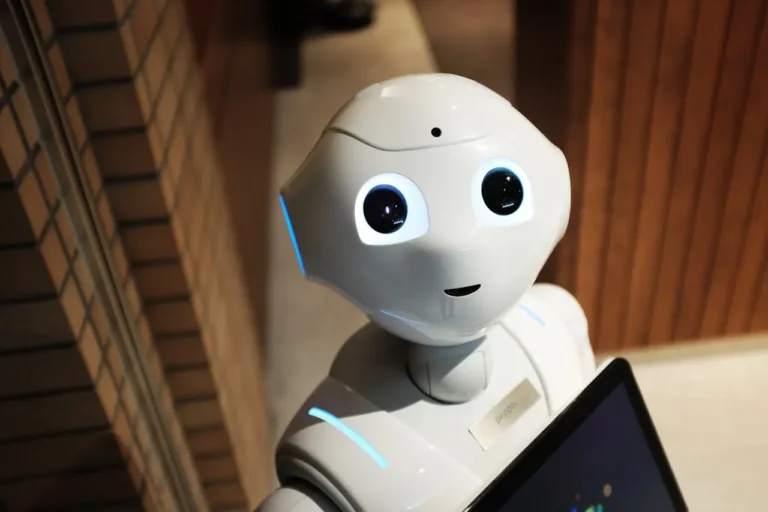
Image credit: Alex Knight (Pexels)
As the research shows, technology rarely eliminates jobs completely. It transforms them. In the case of AI, it’s empowering people to do more, think bigger, and work smarter.
Rather than panicking, the best move is to position yourself as AI’s partner—not its casualty. Upskill, stay human, and lead with purpose.
You’re not getting replaced. You’re getting upgraded.
Frequently Asked Questions (FAQ)
Will AI really take away human jobs in the future?
Artificial intelligence will change how many jobs are done, but it’s unlikely to fully replace most human roles—especially those that involve creativity, emotional intelligence, ethical judgment, and leadership. Current research from institutions like MIT shows that while automation may replace routine or repetitive tasks, it also opens the door to job augmentation. Workers who embrace AI tools as productivity boosters rather than threats will remain essential in the future workforce.
How does AI augment rather than automate jobs?
AI augments jobs by enhancing human capabilities rather than eliminating them. For instance, AI can analyze large data sets quickly, freeing professionals to focus on insights, decisions, and strategy. Just like a microscope helps scientists see more, AI helps workers perform more efficiently and creatively. This partnership model enables better problem-solving, improved workflows, and expanded innovation across industries.
What is the EPOCH framework and why does it matter?
The EPOCH framework, developed by MIT researchers, highlights five uniquely human traits that remain irreplaceable in the age of artificial intelligence: Empathy, Presence, Opinion, Creativity, and Hope. These qualities—such as emotional intelligence, ethical reasoning, and imaginative thinking—are challenging for machines to replicate. Jobs that rely heavily on EPOCH characteristics are less susceptible to automation and more likely to benefit from AI-powered support.
Which careers are least likely to be automated by AI?
Careers that require high emotional intelligence, critical thinking, creativity, and human interaction are least likely to be automated. Examples include emergency management professionals, clinical psychologists, creative directors, PR specialists, and childcare workers. These roles demand human-centric skills that AI cannot easily mimic, making them resilient in an AI-enhanced future.
What skills should I build to stay competitive alongside AI?
To stay competitive in an AI-driven job market, focus on strengthening soft skills like communication, empathy, and leadership, alongside technical fluency with AI tools. Upskilling in areas like data literacy, ethical decision-making, and human-machine collaboration will make you more valuable. The ability to combine technical knowledge with uniquely human judgment is key to thriving in the future workforce.
Can AI improve job performance rather than hinder it?
Yes, AI can significantly improve job performance by automating mundane tasks, enabling smarter decision-making, and boosting productivity. For example, professionals using AI for data analysis or content generation can complete projects faster while maintaining a high level of quality. When used thoughtfully, AI acts as a collaborative partner that enhances human output rather than diminishing it.
How are companies preparing for the AI-powered future of work?
Forward-thinking companies are investing in AI tools that support human workers rather than replace them. Many are reimagining roles to integrate AI, focusing on upskilling employees and encouraging collaboration between people and machines. This includes offering training in emotional intelligence, digital literacy, and ethical leadership—skills that align with the EPOCH framework and help future-proof the workforce.
Is emotional intelligence more valuable than technical skills now?
In the AI era, emotional intelligence is becoming just as valuable—if not more—than technical skills. While hard skills remain important, the ability to navigate interpersonal dynamics, show empathy, and lead with ethics is what sets high-performing professionals apart. Research shows that jobs emphasizing emotional intelligence are growing, and these skills offer a competitive edge in AI-augmented roles.
What’s the best way to future-proof my income against AI disruption?
To future-proof your income, diversify your revenue streams and build financial resilience. Start by saving an emergency fund, exploring freelance or consulting gigs, and continuously learning new skills through affordable platforms like Coursera or Google Certificates. Additionally, focus on career paths that align with EPOCH traits and are expected to grow alongside AI, such as healthcare, education, and creative industries.
Will AI create new job opportunities in the future?
Absolutely. AI is already creating new job roles that didn’t exist a decade ago, including AI ethicists, prompt engineers, data annotators, and human-centered design strategists. As AI tools evolve, they will demand new skills and oversight—especially from professionals who can bridge the gap between machines and human needs. The workforce is shifting, not shrinking, and those who adapt will find exciting new opportunities.
Featured image credit: rawpixel.com (Freepik)